
Invited Speakers

Prof. Shuai Wang, University of Electronic Science and Technology of China, China
Speech Title: Beyond ADMM: A Unified Client-Variance-Reduced Adaptive Federated Learning Framework
Abstract: As a novel distributed learning paradigm, federated learning (FL) faces serious challenges in dealing with massive clients with heterogeneous data distribution and computation and communication resources. Various client-variance-reduction schemes and client sampling strategies have been respectively introduced to improve the robustness of FL. Among others, primal-dual algorithms such as the alternating direction of method multipliers (ADMM) have been found being resilient to data distribution and outperform most of the primal-only FL algorithms. However, the reason behind remains a mystery still. In this paper, we firstly reveal the fact that the federated ADMM is essentially a client-variance-reduced algorithm. While this explains the inherent robustness of federated ADMM, the vanilla version of it lacks the ability to be adaptive to the degree of client heterogeneity. Besides, the global model at the server under client sampling is biased which slows down the practical convergence. To go beyond ADMM, we propose a novel primal-dual FL algorithm, termed FedVRA, that allows one to adaptively control the variance-reduction level and biasness of the global model. In addition, FedVRA unifies several representative FL algorithms in the sense that they are either special instances of FedVRA or are close to it. Experiments based on (semi-) supervised image classification tasks demonstrate superiority of FedVRA over the existing schemes in learning scenarios with massive heterogeneous clients and client sampling.
Biography: Shuai Wang received the PhD degree from the School of Science and Engineering, The Chinese University of Hong Kong, Shenzhen, China, in 2021. He is currently an assistant professor at the University of Electronic Science and Technology of China. Before that, he was a postdoctoral research fellow with the Information Systems Technology and Design Pillar, Singapore University of Technology and Design, Singapore. His current primary research interests include optimization algorithms for signal processing, machine learning and communication systems, distributed optimization and federated learning (FL), data security and privacy protection in distributed systems, integrated sensing and communication (ISAC), etc. He has published more than 30 academic papers and serves as the Youth Editorial Board Member of two journals, and the session chair of ICCT 2025.

Prof. R. S. Hegadi, Central University of Karnataka, India
Speech Title: Mango Orchard UAV Dataset for Agricultural Applications
Abstract: The rapid advancement of precision agriculture has highlighted the need for efficient and automated monitoring systems for orchard management. This work presents a comprehensive UAV-based aerial image dataset of mango orchards designed to support research in tree detection, segmentation, and automated pesticide spraying applications. High-resolution RGB images were systematically collected using a DJI Air 2S unmanned aerial vehicle across major mango-growing regions of Karnataka and Maharashtra, India, during the flowering and fruiting season. A total of 3,917 aerial images were captured under controlled flight conditions using grid-based mission planning with optimized overlap and altitude settings.
To facilitate deep learning applications, the collected images were processed through an automated workflow involving image slicing, HSV-based vegetation extraction, contour analysis, and automatic annotation. The original UAV images were divided into smaller frames, generating 78,340 image patches for efficient processing. Using image processing techniques, frames were classified into “Tree Present” and “Tree Absent” categories, resulting in 69,607 tree-containing frames. An automatic annotation pipeline was further developed to generate YOLO-compatible bounding box annotations, producing 58,608 annotated frames.
The resulting dataset is high-resolution, georeferenced, and comprehensively labeled, making it a valuable resource for developing lightweight and real-time AI models for agricultural automation in resource-constrained environments. The dataset can support applications such as fruit tree detection, canopy monitoring, precision spraying, and orchard management. This work contributes toward bridging the gap in publicly available agricultural UAV datasets and promotes further research in intelligent farming systems and drone-assisted precision agriculture.
Biography: Prof. Ravindra Hegadi received his PhD in Computer Science from Gulbarga University, India. Dr Hegadi has served in various positions at institutions of higher education since 1997, and is currently Professor and Dean of Academics at Central University of Karnataka, India. He has brought research projects worth more than 5 crores. His research interests include Digital image processing, AI, Machine learning, Robotics, and Medical image analysis. He served as Dean of the School of Computer Science. Dr Hegadi is a Senior Member of IEEE and has received the Prof. Satish Dhawan Young Scientist Award from the Government of Karnataka.
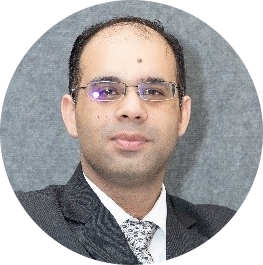
Prof. Anand Nayyar, Duy Tan University, Vietnam
Speech Title: Responsible AI and Ethical Data Governance: Building Transparent, Fair, and Human-Centric Intelligent Systems
Abstract: Artificial Intelligence is rapidly reshaping healthcare, finance, education, governance, mobility, media, and the future of work. Yet, as data becomes the new economic fuel, the ethical responsibility of capturing, governing, interpreting, and using that data becomes equally critical. This keynote explores the intersection of AI ethics, responsible AI, data privacy, algorithmic bias, explainability, and governance in an era where intelligent systems increasingly influence high-stakes human decisions. Drawing from real-world examples such as biased hiring systems, predictive policing, autonomous vehicles, medical AI, deepfakes, chatbot failures, surveillance concerns, and AI-driven decision-making, the talk highlights why technical performance alone is insufficient. It examines how bias enters datasets, how black-box models create accountability gaps, and why fairness, transparency, privacy, safety, robustness, and corrigibility must be designed into AI systems from the beginning. The keynote further discusses practical frameworks for ethical AI adoption, including data ethics governance, explainable AI, human-AI collaboration, privacy-by-design, risk management, and responsible innovation. It argues that the future of AI must not be defined only by intelligence and automation, but by trust, accountability, inclusiveness, and measurable social benefit. Ultimately, the session calls for building AI systems that serve people, respect rights, and advance society responsibly.
Biography: Dr. Anand Nayyar received Ph.D (Computer Science) from Desh Bhagat University in 2017 in the area of Wireless Sensor Networks, Swarm Intelligence and Network Simulation. He is currently working in School of Computer Science-Duy Tan University, Da Nang, Vietnam as Professor, Scientist, Vice-Chairman (Research) and Director- IoT and Intelligent Systems Lab. A Certified Professional with 280+ Professional certifications from CISCO, Microsoft, CompTIA, Amazon, Alibaba Cloud, Oracle, Google, Salesforce, Tableau, FinOps, Beingcert, EXIN, GAQM, Cyberoam and many more. Published more than 300+ Research Papers in various High-Quality ISI-SCI/SCIE/SSCI Impact Factor- Q1, Q2, Q3, Q4 Journals cum Scopus/ESCI indexed Journals, 80+ Papers in International Conferences indexed with Springer, IEEE and ACM Digital Library, 60+ Book Chapters in various SCOPUS/WEB OF SCIENCE Indexed Books with Springer, CRC Press, Wiley, IET, Elsevier with Citations: (Google Scholar): 23000+, H-Index: 77 and I-Index: 314; (Scopus): 13000+; H-index: 60. Member of more than 60+ Associations as Senior and Life Member like: IEEE (Senior Member) and ACM (Senior Member). He has authored/co-authored cum Edited 70+ Books of Computer Science. Associated with more than 600+ International Conferences as Programme Committee/Chair/Advisory Board/Review Board member. He has completed 1 Grassroot and 1 ASEAN Project. He has 18 Australian Patents, 16 German Patents, 4 Japanese Patents, 44 Indian Design cum Utility Patents, 13 UK Patents, 1 USA Patent, 3 Indian Copyrights and 2 Canadian Copyrights to his credit in the area of Wireless Communications, Artificial Intelligence, Cloud Computing, IoT, Healthcare, Drones, Robotics and Image Processing. He has guided more than 200+ Undergraduate Students (B.S. Degree), 30 MCA, 7 M.S. Students and completed 1 Ph.D Student and currently 3 Ph.D Scholars are working under him. He has completed 4 Research Grants Projects including 1 ASEAN and 1 Glocal 30 Project and 1 Grassroot Project in DTU. Awarded 56 Awards for Teaching and Research—Young Scientist, Best Scientist, Best Senior Scientist, Asia Top 50 Academicians and Researchers, Young Researcher Award, Outstanding Researcher Award, Excellence in Teaching, Best Senior Scientist Award, DTU Best Professor and Researcher Award- 2019, 2020-2021, 2022, 2022-2023, 2023-2024, Distinguished Scientist Award by National University of Singapore, Obada Prize 2023, Lifetime Achievement Award 2023, 2024; Asian Admirable Achievers 2024; Distinguished Academic Leader 2024, Lifetime Achievement Award 2024 and many more.
He is listed in Top 2% Scientists as per Stanford University (2020, 2021, 2022, 2023, 2024, 2025), Ad Index (Rank No:1 Duy Tan University, Rank No:2 Computer Science in Viet Nam) and Listed on Research.com (Top Scientist of Computer Science in Viet Nam- National Ranking: 2; D-Index: 56; World Ranking: 3694).
He is acting as Associate Editor for Computer Communications (Elsevier), International Journal of Sensor Networks (IJSNET) (Inderscience), Tech Science Press- IASC, Cogent Engineering, Human Centric Computing and Information Sciences (HCIS), IEEE Transactions on Artificial Intelligence (IEEE TAI), Indonesian Journal of Electrical Engineering and Computer Science, IJFC, IJISP, IJDST, IJCINI, IJGC, IJSIR, IJBDCN, IJNR, IJSI, IJIES. He is acting as Managing Editor of IGI-Global Journal, USA titled “International Journal of Knowledge and Systems Science (IJKSS)”. He has reviewed more than 5700+ Articles for diverse Web of Science and Scopus Indexed Journals. He is currently researching in the area of Wireless Sensor Networks, Internet of Things, Swarm Intelligence, Cloud Computing, Artificial Intelligence, Drones, Blockchain, Cyber Security, Healthcare Informatics, Big Data and Wireless Communications.
Assoc. Prof. Mingjie Shao, Chinese Academy of Sciences, China
Speech Title: Quantized Signal Sensing: Identifiability and Methods
Abstract: In this talk, we explore sensing from quantized signals, focusing on quantized linear regression (QLR), which has applications in signal processing, data analysis, and wireless communication. We introduce formulations for maximum-likelihood estimation (MLE) and amplitude retrieval (AR), highlighting challenges with integrals and nonsmooth objective functions. We discuss algorithm designs. For quantized MIMO detection, we present an efficient branch-and-bound method that reduces complexity compared to exhaustive search. For parameter estimation, we reveal a hidden relationship between EM and proximal gradient methods, offering insights into EM convergence and facilitating the development of novel accelerated schemes. Additionally, we introduce a deep unfolding adaptation to enhance performance and efficiency, supported by a theoretical explanation of the activation function. Simulation results demonstrate the effectiveness of our approaches.
Biography: Mingjie Shao is an Associate Professor in the Academy of Mathematics and Systems Science, Chinese Academy of Sciences. He was selected into the "CAS Young Pioneer Hundred Talents Program" and the "Chen Jingrun Future Star" program. His main research direction is the interdisciplinary research between optimization methods and the information field, including signal processing, wireless communication, and machine learning. He obtained his Ph.D. from The Chinese University of Hong Kong in 2020. He was selected into the "Hong Kong Ph.D. Fellowship Scheme". He has published more than 50 SCI/EI papers, mainly in top journals in the field of signal processing such as IEEE TSP, IEEE JSTSP, IEEE TIFS and top conferences including IEEE ICASSP. Many of his papers have been selected into the popular paper lists of their respective journals.

Assoc. Prof. Dr. Azhar Imran Mudassir, Beijing University of
Technology, China
Speech Title: Explainable Deep Learning for
Medical Image–Based Disease Diagnosis
Abstract: Advances in
machine learning and deep learning have revolutionized medical image
analysis, enabling accurate and automated disease diagnosis. This
talk presents recent developments in deep learning models for medical
image–based diagnosis, highlighting convolutional neural networks and
vision transformer architectures. Special emphasis is placed on
explainable AI techniques that enhance model transparency and
clinical trust. Key challenges, including limited labeled data, model
generalization, and ethical concerns, are discussed along with
emerging solutions such as transfer learning and self-supervised
learning. The talk concludes with future research directions and
opportunities for deploying reliable deep learning systems in
real-world healthcare applications.
Biography: Azhar Imran
Mudassir received his PhD in Software Engineering from Beijing
University of Technology, China, and his Master’s degree in Computer
Science from the University of Sargodha, Pakistan. He is currently an
Associate Professor in Computer Science, with research and teaching
focused on machine learning and deep learning–based image analysis.
Dr. Mudasir has over 13 years of national and international academic
experience. His research interests include medical image analysis,
machine learning, deep learning, explainable AI, healthcare
informatics, and social media analytics. He has published more than
100 research articles in well-reputed international journals and
conferences and actively serves as an editorial board member and
reviewer for several SCI- and Scopus-indexed journals, including IEEE
Access and MDPI journals. He is a regular member of IEEE and has
contributed to numerous international conferences as a keynote
speaker, invited speaker, session chair, and technical committee
member.

Assoc. Prof. Thanapong Intharah, Khon Kaen
University, Thailand
Speech Title: Harnessing Artificial Intelligence for Enhanced
Screening of Regional Health Problems
Abstract:
Opisthorchiasis and cholangiocarcinoma are significant public health
concerns in Southeast Asia, requiring effective screening methods for
early detection and management. This talk focuses on two innovative
AI-powered platforms, OV-RDT and BiTNet, which aim to revolutionize
the screening process for these regional diseases.
The OV-RDT
platform utilizes AI algorithms to analyze images of the OV-Rapid
Diagnostic Test, a urine-based test for opisthorchiasis. By
automating the interpretation of test results and real-time data
analytic dashboard, the OV-RDT platform improves the accuracy and
efficiency of screening, reducing the reliance on skilled technicians
and enabling broader access to testing in resource-limited settings.
BiTNet, on the other hand, is an AI-driven platform that analyzes
ultrasound images to detect early signs of cholangiocarcinoma and
other biliary tract abnormalities. Trained on a large dataset of
annotated images, BiTNet employs deep learning techniques to identify
subtle changes and patterns associated with the disease, assisting
medical professionals in making accurate diagnoses.
The talk will
present the development and validation of these platforms and their
potential impact on enhancing regional disease screening. We will
discuss how OV-RDT and BiTNet can be integrated into existing
healthcare systems, enabling remote screening and telemedicine
applications. Furthermore, we will highlight the collaborative
efforts between researchers, healthcare professionals, and AI experts
to ensure the responsible deployment and continuous improvement of
these AI-powered tools.
By leveraging the capabilities of OV-RDT
and BiTNet, we can significantly enhance the accessibility, accuracy,
and efficiency of screening for opisthorchiasis and
cholangiocarcinoma. These platforms have the potential to transform
the landscape of regional disease management, ultimately improving
patient outcomes and public health in affected communities.
Biography: Thanapong Intharah received his
PhD in Computer Science from University College London (UCL), United
Kingdom. Prior to his doctoral studies, he earned an MSc in Machine
Learning from UCL and an MSc in Computer Science from Chulalongkorn
University. Dr. Intharah is currently an Associate Professor in the
Department of Statistics, Faculty of Science at Khon Kaen University.
His research interests include computer vision, machine learning, deep
learning, human-machine interaction, artificial intelligence, and cloud
computing with specialized applications in healthcare and medical
diagnostics. Dr. Intharah's research focuses on developing AI-powered
medical diagnostic systems, including the BiTNet platform for
ultrasound image analysis of cholangiocarcinoma risk groups and upper
abdominal abnormalities, portable AI-ultrasound systems with
tele-ultrasound capabilities, and the OV-RDT intelligence platform for
opisthorchiasis screening. In 2020, he was awarded the Leaders in
Innovation Fellowships by the Royal Academy of Engineering.
Prof. Moirangthem Marjit Singh, North Eastern Regional Institute of Science & Technology (NERIST), Arunachal Pradesh, India
Speech Title: ANN Synchronization for Enhanced Security in Wireless Networks
Abstract: This invited talk focuses on the use of Artificial Neural Network (ANN) Synchronization for enhancing the security of wireless networks. ANN synchronization enables key agreement through mutual learning between Tree Parity Machines (TPM). ANN synchronization creates shared keys by having two devices learn together over a public link. Two nodes exchange public inputs and outputs, learning until their weights match to form a shared secret key over an insecure Channel. An eavesdropper in the same public channel can not synchronize without access to internal states, thereby ensuring security. ANN synchronization paves way to learning together and securing together for robust communication between them. The talk will also briefly highlight research landscape, challenges and overview of relevant solution domain.
Biography: Dr. Moirangthem Marjit Singh is a
Professor in Computer Science & Engineering Department at North Eastern
Regional Institute of Science & Technology (NERIST), Arunachal Pradesh,
India. He received B.Tech. & M.Tech. degrees from NERIST and PhD degree
from University of Kalyani, India in 2001,2010 and 2017 respectively.
He was the Head of Department Computer Science & Engineering, NERIST
(2018 – 2022), founder Honorary Joint Secretary of the IE(I), Arunachal
Pradesh State Centre, India (2019-2021) and founder member Unnat Bharat
Abhiyan NERIST Cell (2017-2024). Currently, he is In-charge of
Educational Technology Cell at NERIST, Chief Information Security
Officer (CISO) NERIST and Single Point of Contact (SPoC) for National
Institute of Electronics and Information Technology (NIELIT, Ministry
of Electronics and IT, Govt. of India) Itanagar Centre at NERIST. He is
a Fellow of IETE India, Fellow of IE (I) and senior member IEEE, USA.
He is an Editor of IETE- Journal of Research published by Taylor &
Francis.
Prof. Marjit was honoured with “Academic Excellence Award”
by Taylor’s University, Malaysia in recognition of his outstanding
academic performance on 13 September 2023. He received the “IE(I) Young
Engineers Award 2014–2015” in Computer Engineering Division from
Institution of Engineers, India. He also received the “Best Paper
Awards” at international conferences namely the ICEAI 2023(Taylors’
University, Malaysia), the SETSM 2025(Hanoi University of Industry,
Vietnam) the ICACCT 2016, (APIIT, India) and Best Paper Award 1st
Runner-Up in ICDAI2024(TINT, India).
Prof. Marjit did his schooling
at JNVSA Kakching, Thoubal District, Manipur (1990-1997). He secured
First Position in X and Second Position in XII Examinations conducted
by CBSE, New Delhi, India, amongst the candidates sent up from Jawahar
Navodaya Vidyalayas (JNVs) of North Eastern region states of India, in
1995 and 1997 respectively. He was felicitated as one of the Eminent
Alumni (JNVs of North Eastern Region India) by Navodaya Vidyalaya
Samiti Regional Office Shillong, Ministry of Education, Govt. of India
on 22 April 2023 at JNV Rangia, Assam. He was Gold Medallist in the
M.Tech.(CSE) program too.
Prof. Marjit has a patent granted for 20
years by the Patents office Govt. of India with effect from 30 July,
2021(Patent Number:542853). He has published several papers in
international journals, book chapters and conferences of repute. He has
been associated with many technical conferences held in India and
abroad. He has delivered many technical/invited talks as well. His
research interests include MaNet, WSN, Security, ML, DL and Image
Classification.
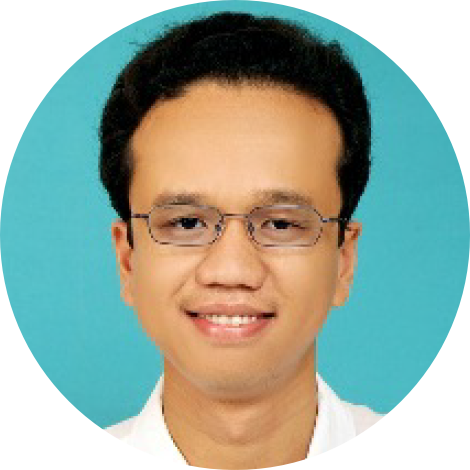
Prof. Loc Nguyen, Sunflower Soft Company, Vietnam
Speech Title: Is matrix neural network the alternative of convolutional neural network?
Abstract: "Currently, deep learning is the most important and popular methodology in artificial intelligence (AI) and artificial neural network (ANN) is the foundation of deep learning. The main drawback of ANN is the boom problem of a huge number of parametric weights when ANN in deep learning establishes a large number of hidden layers. The excellent solution for image processing within context of deep learning is convolutional neural network (CNN) equipped filtering kernel. Another solution of the boom problem is that large parametric weight vector is organized as matrix, which leads to a so-called matrix neural network (MNN). Computation cost of MNN is decreased significantly in comparison with ANN but it is necessary to test the main hypothesis “whether MNN is the alternative of CNN”. Moreover, transformer which is the new trend in AI and deep learning, which aims to improve/replace traditional ANN by self-supervised learning, in which attention is the significant mechanism of self-supervised learning. Therefore, the implicit deep meanings of attention and filtering kernel are similar, which represents feature of data, which does not go beyond parametric weights too. In general, the research has two goals: 1) explaining and implementing ANN, CNN, and transformer (attention) and 2) applying analysis of variance (ANOVA) into evaluating the effectiveness of ANN, CNN, and transformer (attention) within context of image classification. The ultimate result is that it is not asserted that MNN is the alternative of CNN but MNN can be an optional choice for implementing ANN instead of focusing on the unique CNN solution. Moreover, the incorporation of MNN and attention in implementing transformer produces a compromising solution of high performance and computational cost".
Biography: Loc Nguyen is an independent scholar from 2017. He holds Master degree in Computer Science from University of Science, Vietnam in 2005. He holds PhD degree in Computer Science and Education at Ho Chi Minh University of Science in 2009. His PhD dissertation was honored by World Engineering Education Forum (WEEF) and awarded by Standard Scientific Research and Essays as excellent PhD dissertation in 2014. He holds Postdoctoral degree in Computer Science from 2013, certified by Institute for Systems and Technologies of Information, Control and Communication (INSTICC) by 2015. Now he is interested in poetry, computer science, statistics, mathematics, education, and medicine. He serves as reviewer, editor, speaker, and lecturer in a wide range of international journals and conferences from 2014. He is volunteer of Statistics Without Borders from 2015. He was granted as Mathematician by London Mathematical Society for Postdoctoral research in Mathematics from 2016. He is awarded as Professor by Scientific Advances and Science Publishing Group from 2016. He was awarded Doctorate of Statistical Medicine by Ho Chi Minh City Society for Reproductive Medicine (HOSREM) from 2016. He was awarded and glorified as contributive scientist by International Cross-cultural Exchange and Professional Development-Thailand (ICEPD-Thailand) from 2021 and by Eudoxia Research University USA (ERU) and Eudoxia Research Centre India (ERC) from 2022. He has published 101 papers and preprints in journals, books, conference proceedings, and preprint services. He is author of 5 scientific books. He is author and creator of 10 scientific and technological products.

Assoc. Prof. Na Ta, Renmin University of China, China
Speech Title: Constructing Reality: Understanding Bias, Values, and Governance in Generative AI
Abstract: Recent advances in generative AI have shifted artificial intelligence from retrieving information to producing language, opinions, and visual content at an unprecedented scale. As these systems become increasingly integrated into everyday information ecosystems, a fundamental question emerges: rather than merely reflecting reality, how do generative AI systems construct social reality?
This talk presents a series of computational auditing studies examining how generative AI shapes representations across multiple modalities. Drawing on cross-platform and cross-cultural evaluations of conversational AI, we first demonstrate how large language models exhibit systematic differences in generating discriminatory content and responding to controversial social issues, revealing structural biases that extend beyond individual prompts or isolated models. We then extend this perspective to AI-generated photorealistic news images, showing that text-to-image models systematically reshape visual news values by favoring prototypical people, recognizable locations, conflict, and social impact over the diverse and context-dependent representations found in real news photography. Across these studies, model-specific characteristics consistently exert stronger influence than prompt engineering, suggesting that many biases originate from internal representational mechanisms rather than surface-level interactions. These findings are supported by large-scale computational analyses combining algorithm auditing, natural language processing, computer vision, and multimodal evaluation.
Building on these findings, we argue that the next generation of AI evaluation should move beyond conventional performance benchmarks toward assessing how AI systems construct social reality across language, opinion, and vision. Such a perspective provides a foundation for developing human-centered evaluation frameworks and governance strategies that promote fairness, transparency, and responsible deployment of generative AI.
Biography: Dr. Tana is an associate professor at the School of Journalism and Communication, Renmin University of China. She received her doctoral degree in computer science and technology from Tsinghua University. Her current research interests include computational communication research, application and governance of Artificial Intelligence, and multimodal content. Her publications appear on international academic journals of various disciplines, including IEEE Transactions on Knowledge and Data Engineering, Computers in Human Behaviors, Information, Communication & Society, etc. She is the PI and core member of several China’s Natural Science Foundation projects and projects of similar levels. She teaches interdisciplinary courses such as Computational Communication, Big Data in Journalism and Communication, Application of Digital Communication Technologies, etc.

Assoc. Prof. Pavel Loskot, ZJU-UIUC Institute, China
Speech Title: Mathematical Models Beyond Vectors and Matrices
Abstract: The vast majority of contemporary computational models are built as low-level primitive arithmetic operations over elements of vectors and matrices. Such models are universal, but their downside is that they numerically very expensive, and require large computational resources. In many practical scenarios, it is useful to adopt more abstract models that can effectively describe systems and the underlying phenomena without requiring excessive computational resources, and while naturally offering interpretability. In this talk, I will survey fundamental mathematical concepts and objects that are useful in building these abstract models including the key ideas in abstract algebra, set theory, algebraic geometry and topology, and their applications in topological data analysis and geometric machine learning.
Biography: Pavel Loskot received his PhD in Wireless Communications from the University of Alberta, Canada. Before he joined the ZJU-UIUC Institute, he was 14 years a Senior Lecturer at Swansea University, UK. In the past 30 years, he was involved in numerous collaborative research and development projects, and also held a number of paid consultancy contracts with industry. His research interests focus on mathematical and probabilistic modeling, statistical and digital signal processing, and machine learning for multi-sensor, tabular, and longitudinal data. He is the Senior Member of IEEE, the Member of ACM, a Fellow of the HEA, UK, the Recognized Research Supervisor of the UKCGE, and the IARIA Fellow. He serves as the Editor in ICT Express and Frontiers in Genetics.

Assoc. Prof. K. Martin Sagayam, Lincoln University College, Malaysia
Speech Title: Hand gesture image recognition using optimized models of machine learning algorithms for virtual reality applications
Biography: Dr. K. Martin Sagayam is an accomplished academician and researcher currently serving as an Associate Professor in the Department of Electronics and Communication Engineering. He completed his Ph.D. in the field of Image Processing and Machine Learning Algorithms and further strengthened his expertise through postdoctoral research in Medical Image Processing using Machine Learning and Deep Learning techniques from Lincoln University College, Malaysia.
His research interests include Artificial Intelligence, IoT, Neuromorphic Computing, and smart healthcare systems, with a strong focus on real-world societal applications. Dr. Sagayam has made substantial scholarly contributions, with more than 165 publications in reputed SCI/SCIE and Scopus-indexed journals and conferences. He has also edited over 15 books, authored more than 25 book chapters, and is currently leading an ongoing book series with CRC Press (Taylor & Francis Group).
He is an active IEEE Professional Member, involved in various IEEE societies, and a member of the IEEE Young Professionals Society. His research impact is reflected through over 3300 citations and an H-index exceeding 30. He has also demonstrated strong research leadership by securing funding support, including approximately ₹0.93 lakhs for AICTE ATAL FDP and ₹1.15 lakhs for organizing an IEEE international conference.
Dr. Sagayam is also actively engaged in industry collaboration, working with reputed organizations such as Mohler Machines Pvt. Ltd., Coimbatore and Gislen Software Pvt. Ltd., Chennai, facilitating live industrial projects, student internships, and product development initiatives.
He has been recognized among the Top 2% Scientists worldwide as listed by Stanford University, USA, highlighting his global research impact. He continues to contribute to interdisciplinary research, mentoring students and scholars, and organizing workshops, FDPs, and micro-credential programs, thereby bridging the gap between academic research and real-world implementation.
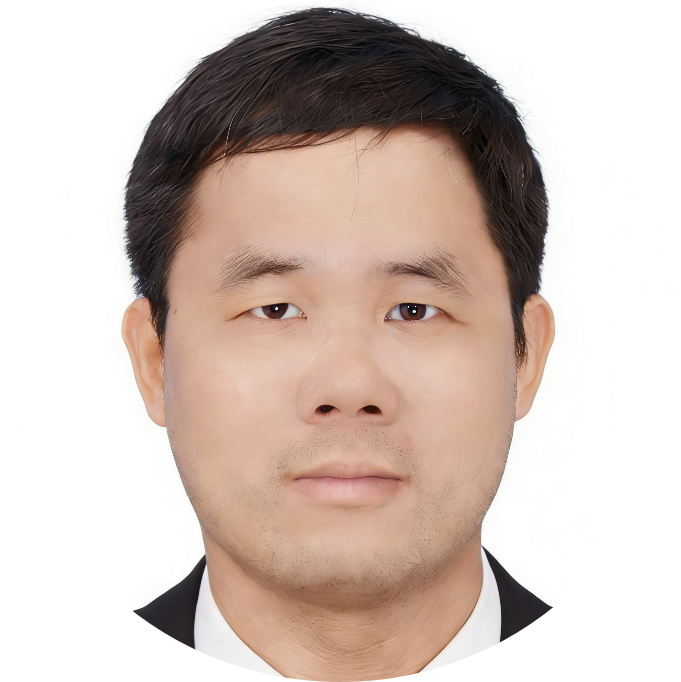
Assoc. Prof. Xiaohua Zhang, Wenzhou Business College, China
Speech Title: AI-Driven Spatiotemporal Carbon Emission Forecasting
Model Based on Big Data for Urban Digital Economye
Abstract:
Against the background of dual-carbon goals and booming urban digital
economy, accurate carbon emission prediction is critical for local
government low-carbon policy formulation. This study constructs an AI
hybrid prediction framework combining big data preprocessing and
multi-algorithm ensemble targeting Wenzhou’s industrial carbon
emissions from 2013 to 2023. First, multi-source heterogeneous datasets
covering digital infrastructure, digital industrialization and
manufacturing energy consumption are collected and cleaned with big
data filtering rules; the entropy weight method quantifies the
development level of regional digital economy and decouples its inner
influencing path on carbon emission changes. Second, LSTM, Random
Forest and SVM machine learning algorithms are fused to build a
spatiotemporal carbon emission prediction model, with hyperparameter
optimization to improve fitting accuracy and reduce forecast error
below 10%. Third, verified by over 100 manufacturing enterprise survey
data in Wenzhou, the optimized model achieves goodness-of-fit above 0.5
and effectively identifies high-carbon industrial sectors driven by
digital transformation. Empirical results reveal differentiated carbon
reduction effects of digital economy across local industries, and this
research outputs targeted digital low-carbon policy suggestions for
municipal double-carbon governance. The lightweight open prediction
toolkit developed in this work can be deployed in industrial parks to
support real-time carbon monitoring for enterprises, providing an
operable intelligent decision-making paradigm for city-level carbon
emission management under digital economy development.
Biography: Xiaohua Zhang is a computing educator and senior engineer, holding professional credentials including Associate Professor, Information System Project Manager, and First-Class Constructor (Mechatronics). He is also a member of Zhejiang Government Procurement Review Expert Database and Wenzhou’s second batch of Educational Technology Project Experts. Boasting rich cross-sector experience, he has served in key roles at China State Construction International Engineering Co., Ltd., Huanghe Science and Technology College’s Artificial Intelligence Research Institute, and Hangzhou Kehong Network Technology Co., Ltd.—forging a strong link between academic theory and industrial practice. Currently with Wenzhou Business University’s Computer Science Department, he teaches core courses like Python Data Analysis and Applied Statistics, focusing on project-driven learning. As principal investigator, he has led over 10 national, provincial, and municipal projects, including the Ministry of Education’s Industry-University Cooperation Program.
His achievements include 20+ academic papers, 50+ utility model patents and software copyrights, and 2 new-form computer textbooks for higher education. He has served as Session Chair for IEEE conferences like ACMLC 2025 (Hong Kong) and ICAISE 2025 (Yokohama), solidifying his influence in “cloud + AI + education”.

Assoc. Prof. Yuanyuan Chen, Nanjing University
of Posts and Telecommunications (NJUPT), China
Speech Title: From Human–AI Co-Creation to Cultural Computing: An AI‑Driven Art and Design for Community-Based Digital Memory and Public Aesthetic Education
Abstract: Generative AI is reshaping art and design education. This talk outlines an AI‑driven workflow that integrates field research, cultural‑semantic extraction, concept generation, visual and interactive prototyping, public presentation and iteration. Based on the PBL courses, it shows how teachers, students and community members co‑create local cultural memory with AI. Two cases—“Chuangyi Shiguang” student creative market and “AI: Home Beneath the City Wall—Xiaoxihu Digital Memory Co‑Creation”—demonstrate AI’s roles as inspiration catalyst, form‑iteration engine and medium for social co‑creation. The talk proposes a dual‑subject paradigm combining human emotional judgment and AI‑enabled form evolution to drive cultural innovation and public aesthetic education.
Biography:
Yuanyuan CHEN is an Associate Professor, Master's Supervisor and Head
of the Basic-level Teaching Organization at the Nanjing University of
Posts and Telecommunications. She holds a Ph.D. in Design from Tongji
University. Her pioneering research resides at the intersection of
technology and creativity, with a primary focus on AI-driven Art,
Interaction Design, and the innovative cultural transformation of rural
landscapes.
She has spearheaded over 10 high-level research
initiatives, including national, provincial, and municipal projects, as
well as significant provincial-level industry-university collaborative
programs. She has published over 20 academic papers and has been
recognized with more than 20 national and provincial teaching
excellence awards. Her design portfolio has garnered over 20
prestigious international and domestic awards, reflecting her expertise
in blending aesthetic innovation with digital intelligence.
Beyond
her academic and creative pursuits, she holds several key leadership
and advisory roles. She serves as a Thesis Review Expert for the
Ministry of Education’s Degree Office, and is a Director of the China
Association of Creativity (CAC), where she also acts as Deputy
Secretary-General of the Innovation Transformation Branch.
Additionally, she is a Standing Committee Member of the Rural Art
Construction Special Committee of the National University Alliance for
Rural Construction, and a member of the Digital Intelligence
Manufacturing and Design Committee of the Jiangsu Industrial Design
Society.
Her work continues to push the boundaries of how AI-driven
and interactive technologies can revitalize traditional culture and
redefine the future of digital art.

Assoc. Prof. Suraya Masrom, Universiti Teknologi MARA, Malaysia
Speech Title: Automated Machine Learning based
on Genetic Programming
Abstract: Machine learning (ML) has
become a foundational technology underpinning advancements
across a
wide range of application domains, including healthcare, finance,
manufacturing, and environmental analytics. Despite its widespread
adoption, developing high-performance ML models remains a complex and
resource-intensive process that requires expertise in data
pre-processing, algorithm selection, and hyperparameter optimization.
These tasks involve iterative experimentation and substantial technical
effort, which often limits effective participation by domain
specialists and applied researchers who lack
advanced programming or ML expertise. While many rapid software provide
intuitive graphical environments for machine learning modeling, the
support for Genetic Programming–based Automated Machine Learning
(GP-AutoML) remains limited. Moreover, systematic understanding of
GP-AutoML system performance behavior across different execution
environments is still lacking.
To address these gaps, a new
web-based visual modeling environment that utilizes GP-AutoML based on
Python TPOT framework has been developed. A unified normalized
evaluation framework to characterize the performance of GP-AutoML
implemented with the proposed visual modeling system from the aspects
of scalability, accuracy, and robustness will be presented.
Biography: Associate Professor Ts. Dr. Suraya Masrom is the head of
Machine Learning and Interactive Visualization (MaLIV) Research Group
at Universiti Teknologi MARA (UiTM) Perak Branch. She received her
Ph.D. in Information Technology and Quantitative Science from UiTM in
2015. She started her career in the information technology industry as
an Associate Network Engineer at Ramgate Systems Sdn. Bhd. (a
subsidiary of DRBHICOM) in June 1996 after receiving her bachelor’s
degree in computer science from Universiti Teknologi Malaysia (UTM) in
Mac 1996. She started her career as a lecturer at UTM after receiving
her master’s degree in Computer Science from Universiti Putra Malaysia
in 2001. She transferred to the Universiti Teknologi MARA (UiTM), Seri
Iskandar, Perak, Malaysia, in 2004. She is an active researcher in the
meta-heuristics search approach, machine learning, and educational
technology. She can be contacted through email at suray078@uitm.edu.my.

Asst Prof. Yanglong Lu, The Hong Kong University of Science and Technology, China
Speech Title: Process Monitoring and Quality Control in Additive Manufacturing of Self-Adaptive Point Cloud Modeled Periodic Surface Lattices
Abstract: Periodic surface (PS) structures are increasingly recognized for their customizable density, high surface area-to-volume (SA/V) ratios, and exceptional strength-to-weight ratios. Their complexity makes them highly compatible with additive manufacturing (AM), which facilitates layer-by-layer fabrication. However, the intricate geometries of PS lattice structures often result in STL files with an excessive number of vertices and facets necessary for maintaining surface quality, leading to increased storage requirements and reduced slicing efficiency. Conversely, simplifying these models can introduce inaccuracies that adversely affect the final product quality. To address these challenges, we introduce a novel self-adaptive point cloud generation (SaPCG) method that computes targeted points at the intersections of three implicit surfaces while recursively refining intersection regions. By integrating longitude and latitude concepts into the PS model, SaPCG generates critical points, intersection points, and boundary points sequentially. This approach supports both uniform wall thickness and B-spline-based spatially varying thickness, allowing the point cloud to adapt naturally to local curvature. The final STL model is created by independently triangulating the two offset PS structures and the boundary planes using self-adaptive point cloud reconstruction (SaPCR), which are then assembled into a cohesive design. This method enhances the design and manufacturing processes for sheet-based PS structures, demonstrated by reduced printing errors and improved surface quality in metal AM experiments. Despite the benefits of AM, challenges to the structural integrity of PS lattices remain due to their intricate structures. Because of the rapid melting and solidification process in metal AM, such as selective laser melting, real-time monitoring of the melt pool temperature is crucial for maintaining stability during melting. However, current techniques allow monitoring only of the surface temperature field. To assess the three-dimensional morphology of the melt pool, we utilize a hybrid physics and data modeling approach that predicts the time-series 3D melt pool shape based on sparse surface temperature data. This 3D temperature field facilitates melt pool geometry reconstruction and identification of defects, such as pores. Moreover, by optimizing process parameters like laser power, scanning speed, and strategies, overall structural quality can be significantly enhanced.
Biography: Prof. Lu currently serves as an Assistant Professor in the Department of Mechanical and Aerospace Engineering at the Hong Kong University of Science and Technology. He obtained his Bachelor's and Doctoral degrees in Mechanical Engineering from the Georgia Institute of Technology in 2016 and 2020, respectively. Following that, he worked as a Postdoctoral Researcher at the University of Michigan, Ann Arbor, for one year. His research focuses on additive manufacturing process monitoring, multiphysics field simulation, machine fault diagnosis, and structural optimization. He has published about 40 research papers in renowned international journals and conferences and has filed four US patents. He has served as Session Chair and Technical Committee at well-known international academic conferences such as ASME-IDETC, MSEC/NAMRC, and IISE. He has received several awards, including the Best Doctoral Dissertation Award and Best Conference Paper Award from ASME-CIE, finalist in the 2023 US National Science Foundation Manufacturing Blue Sky Competition, the Postdoctoral Association Conference Award from the University of Michigan, and the Poster Competition Award from ASME Manufacturing and Lifecycle Design Conference, among others. Additionally, he co-founded SolCharged Solar Energy Company in 2016. Currently, he is leading projects funded by University Grants Committee (Hong Kong), Innovation and Technology Commission (Hong Kong), and the Hong Kong University of Science and Technology-Industry Collaboration Center, National Science Foundation of China, among others.

Asst Prof. Yanqing Xu, The Chinese University of Hong Kong, Shenzhen, China
Speech Title: Environment-Aware Region-Level Design for Generalized
Pinching-Antenna Systems
Abstract: Generalized pinching-antenna
(GPA) systems enable a reconfigurable radiation point along a guided
medium, offering a new degree of freedom beyond conventional
fixed-aperture deployments. While most existing studies focus on
link-level optimization for quasi-static users, such designs typically
require frequent re-computation as users move or enter/leave the
network, and they do not directly capture area-oriented objectives
(e.g., region-wide coverage and hotspot service) that evolve on a
longer time scale. This talk presents an environment-aware,
region-level design framework for GPA systems that shifts the objective
from serving specific instantaneous users to shaping area coverage and
hotspot service over longer time scales. In particular, we consider two
representative settings: traffic-aware and geometry-aware. In the
traffic-aware case, we model spatial demand using slowly varying
hotspot profiles and optimize the activation/positioning of pinching
points to align the radiated energy with traffic intensity, together
with resource allocation to balance hotspot performance across the
service region. In the geometry-aware case, we incorporate site-map
information such as obstacles and visibility constraints into the
network metric, and optimize pinching-point deployment to mitigate
blockage-induced coverage holes. For each setting, we formulate a
region-level optimization problem, develop low-complexity
structure-exploiting algorithms, and quantify the performance–overhead
tradeoff associated with antenna reconfiguration. Simulation results
demonstrate that environment-aware GPA design can substantially improve
region-wide coverage and hotspot service quality compared to
fixed-aperture baselines and user-driven link-level heuristics,
especially in obstructed environments or highly non-uniform traffic
scenarios.
Biography: Yanqing Xu received the Ph.D. degree in communication and information system from the State Key Laboratory of Rail Traffic Control and Safety, Beijing Jiaotong University, Beijing, China, in 2019. He was a senior engineer with Huawei Technologies Company Ltd., from July 2019 to July 2020. From September 2020 to August 2022, he was a PostDoc researcher with The Chinese University of Hong Kong, Shenzhen, where he is currently working as a research assistant professor. He is also with the Shenzhen Research Institute of Big Data. Dr. Xu’s current research interest lies in machine learning and signal processing algorithm designs and their applications for wireless communication systems. Dr. Xu served as a special session co-organizer and chair in IEEE SPAWC 2024. He was a recipient of the Shenzhen Overseas High-Caliber Personnel, and the Top 3% Paper Recognition of the IEEE ICASSP 2023. Several of his research outcomes have been successfully deployed in Huawei’s base stations, for which he has received the Huawei Technical Cooperation Achievement Transformation Award (1st Prize) in 2024, the Huawei Wireless Product Line Outstanding Technical Cooperation Project Award in 2024, and the Huawei Technical Cooperation Achievement Transformation Award (2nd Prize) in 2022. He is currently serving as the Deputy Editor of IEEE Transactions on Signal and Information Processing over Networks and an Associated Editor of EURASIP Journal on Wireless Communications and Networking. He is a member of the IEEE.

Asst. Prof. Muhammad Shahid
Khan, Suan Sunandha Rajabhat University, Thailand
Speech Title: Human–Machine Collaboration in Human Resource Management: A Conceptual Framework Linking HR Chatbot Capability and Employee Engagement
Abstract: The rapid digital transformation of workplaces following the COVID-19 pandemic has fundamentally reshaped how organizations manage and engage employees. The widespread adoption of remote and hybrid work arrangements has created new challenges for Human Resource (HR) departments in maintaining effective communication, delivering timely services, and sustaining employee engagement. More recently, ongoing geopolitical tensions, rising energy prices, inflationary pressures, and economic uncertainty have further encouraged many organizations to expand flexible and work-from-home arrangements as a strategy to reduce operational costs and enhance organizational resilience. While remote work offers numerous advantages, it also presents significant challenges in maintaining employee connectivity, organizational support, and engagement. In response to these challenges, Artificial Intelligence (AI)-powered HR chatbots have emerged as an innovative solution capable of providing instant support, automating routine HR functions, and enhancing employee experiences regardless of employees' physical work locations. Despite growing organizational investment in AI-enabled HR technologies, limited conceptual research has examined the mechanisms through which HR chatbot capabilities influence employee engagement and organizational performance. Therefore, this study develops a conceptual framework to explain the relationship between HR chatbot capability and employee engagement through key organizational service factors.
Drawing upon the Technology Acceptance Theory, Service Quality Theory, and Human Resource Management literature, the proposed framework identifies HR Chatbot Capability as the primary antecedent influencing Employee Engagement through three critical pathways: Service Response Speed, HR Practices Efficiency, and Information Accessibility. The framework proposes that advanced HR chatbots can improve the speed of employee service delivery, streamline HR processes, and provide employees with immediate access to organizational information, policies, benefits, and support services. These improvements are expected to enhance employee satisfaction, strengthen employee–organization relationships, and ultimately foster higher levels of engagement. The model further suggests that engaged employees contribute to improved organizational outcomes through increased productivity, commitment, innovation, and overall performance.
This conceptual study contributes to the emerging literature on AI-driven Human Resource Management by providing an integrated framework that explains how intelligent HR technologies can support employee engagement in contemporary work environments. The proposed model offers valuable insights for HR practitioners, managers, and policymakers seeking to leverage AI technologies to modernize HR functions and address the challenges associated with remote and hybrid work settings. By highlighting the mediating roles of service response speed, HR practices efficiency, and information accessibility, this study presents a novel perspective on AI-enabled employee management and establishes a foundation for future empirical investigations. The framework ultimately demonstrates how AI-powered HR chatbots can serve as a strategic tool for enhancing HR effectiveness, strengthening employee engagement, and improving organizational performance in an increasingly digital, uncertain, and geographically dispersed workplace environment.
Biography: Dr. Muhammad Shahid Khan is an accomplished academic and researcher with a Ph.D. in Management and over a decade of post-doctoral teaching and industry experience. Currently serving as a Lecturer at Suan Sunandha Rajabhat University (Thailand) and a Visiting Professor at ABA Teachers College and Sanmenxia Polytechnic College (China), he has also held key roles in international diplomacy and industry collaboration, including work with the Pakistan High Commission in Kuala Lumpur. With a strong research portfolio, Dr. Khan has authored 70+ publications in peer-reviewed journals and conference proceedings, including SSCIindexed and high-impact factor publications. His research expertise spans Innovative Management, Sustainable Business, Environmental Sustainability, Knowledge Management, and Green HRM, contributing to both academic scholarship and practical industry applications.

Asst. Prof. Filbert Juwono, Xi'an Jiaotong-Liverpool University, China
Speech Title: Applications of Machine Learning in Smart Sustainable Agriculture
Abstract: Agriculture is a major economic driver for many countries and remains a cornerstone of global food security. However, the sector faces some challenges from climate change, resource scarcity, and the need to reduce environmental degradation. With the advancement of digital technology, agriculture practices have shifted from traditional approaches to smarter, data-driven ones that also integrate climate change mitigation, known as smart sustainable agriculture. In this talk, we present the role of machine learning in the applications of smart sustainable agriculture. The applications are divided into four areas, i.e., resource optimization, yield prediction, disease identification, and climate change adaptation. The future work will also be discussed.
Biography: Filbert H. Juwono (Senior Member, IEEE) received the B.Eng. degree in electrical engineering and the M.Eng. degree in telecommunication engineering from Universitas Indonesia, Depok, Indonesia, in 2007 and 2009, respectively, and the Ph.D. degree in electrical and electronic engineering from The University of Western Australia, Perth, WA, Australia, in 2017. He is currently with the Department of Electrical and Electronic Engineering, Xi’an Jiaotong-Liverpool University. His research interests include signal processing for communications, wireless communications, power-line communications, smart grids and battery technology, machine learning applications, and biomedical engineering. He was a recipient of the Prestigious Australian Awards Scholarship, in 2012. He serves as an Associate Editor for IEEE Access, a Review Editor for Frontiers in Signal Processing, an Editor for Scientific Reports, and the Editor-in-Chief for a newly established journal Green Intelligent Systems and Applications.

Dr. Chiagoziem Chima Ukwuoma, Chengdu University of Technology, China
Speech Title: Bridging the Benchmark–Operations Gap in Solar PV Power Forecasting: Why Lightweight CNN Hybrids Endure in Real-World Deployments Despite Advances in Transformers and Physics-Informed Models: A Deployment-Centric Review
Abstract: As global solar photovoltaic (PV) capacity surpassed 1.6TW by 2025, accurate power forecasting has become essential for grid stability, reserve scheduling, and market operations. Yet a persistent gap remains between models that dominate academic benchmarks and those actually used in utility control rooms and inverter-level systems.
In this speech, we present a deployment-centric review that examines a decade of deep learning research (2015–2026) for solar PV power forecasting. We focus on why lightweight convolutional neural network (CNN) hybrids continue to prevail in real-world operations despite notable advances in Transformer-based architectures and physics-informed neural networks (PINNs).
The review systematically analyses the evolution of key model families: gated recurrent networks, CNN–recurrent hybrids, efficient temporal models such as temporal convolutional networks (TCNs), Transformer variants (Informer, Autoformer, Temporal Fusion Transformer), physics-informed approaches, and emerging foundation-model hybrids. These are evaluated across different forecast horizons, input modalities (SCADA time series, sky imagery, satellite data, and numerical weather prediction fields), and operational constraints.
While Transformer and PINN models frequently report 8–25% improvements in RMSE or MAE on curated benchmarks like SIRTA, SURFRAD, DKASC, and SolarCube, these gains often diminish or disappear under the noisy, incomplete, drifting, and curtailment-contaminated data typical of operational PV plants.
To make this trade-off explicit and measurable, we introduce a practical Deployability Index that evaluates architectures across four critical dimensions: predictive accuracy, inference latency and edge feasibility, robustness to real-world stressors (missing data, sensor drift, label contamination), and maintainability under limited MLOps resources.
Applying this index reveals why compact CNN–LSTM, ConvLSTM, and TCN-based hybrids consistently score highest in production settings: they deliver reliable performance (typically 8–15% nRMSE) with sub-100ms latency on edge hardware, degrade gracefully under imperfect telemetry, and require modest retraining effort.
The session concludes with targeted, actionable recommendations to narrow the benchmark–operations divide, including parameter-efficient CNN–Transformer hybrids, knowledge distillation pipelines tailored to operational noise, federated learning under data silos, and modular physics adapters that can be integrated into lightweight backbones without sacrificing deployability.
By prioritizing real-world constraints alongside algorithmic innovation, this talk provides both researchers and practitioners with a clearer roadmap for making deep learning advances genuinely useful at a multi-terawatt scale.
Biography: Dr. Chiagoziem Chima Ukwuoma is an AI researcher and computing educator specializing in trustworthy artificial intelligence, attention-based deep learning, and sustainable machine learning with applications in healthcare, renewable energy, and remote sensing. He earned his Ph.D. in Software Engineering from the University of Electronic Science and Technology of China (UESTC) in 2023 and currently serves as a Lecturer and Module Leader at Chengdu University of Technology, Oxford Brookes College, where he leads large-cohort courses in Computing Systems and Secure Operating Systems. He has published over 50 peer-reviewed papers in high-impact journals such as Renewable Energy, Applied Energy, and the Journal of Advanced Research, accumulating over 1,500 citations and achieving an h-index of 21. He mentors undergraduate, master’s, and doctoral students, and he runs a free global Machine Learning & Computer Vision bootcamp that trains over 120 learners each cycle. His work bridges methodological rigor with societal impact, aligning strongly with priorities in health data science, data ethics, and sustainable AI. Dr. Ukwuoma’s scholarship, teaching excellence, and mentorship reflect his commitment to improving AI systems while broadening access to high-quality computing and data science education worldwide.

Dr. Zichi Wang, Shanghai University, China
Speech Title: Steganography in Neural Networks
Abstract: Steganography aims to achieve covert communication by hiding secret data into a normal cover and transmitting it over a public channel, which is significant for national information security. Traditional steganography transmits secret data through multimedia such as image, audio and video. Neural network model is a new type of data which grows rapidly in recent years and is widely used. Steganography for neural network models is an emerging research field that needs to be developed. Compared with multimedia, neural network model has complex structure, wide variety and large number of parameters. For this reason, traditional steganographic methods cannot be used for neural network model directly. This speech will discuss the secure steganography for neural network models.
Biography: Zichi Wang received the BS degree in electronics and information engineering from Shanghai University, China, in 2014, and received the MS degree in signal and information processing in 2017, the PhD degree in information and communication engineering from the same university in 2020. He is currently with the School of Communication and Information Engineering, Shanghai University, Shanghai, as an Associate professor. His research interests include steganography, steganalysis, and artificial intelligence security. He has published over 100 papers in these areas. He has served as a TPC member for several international conferences, including ICECI 2022 and AAIP 2025.